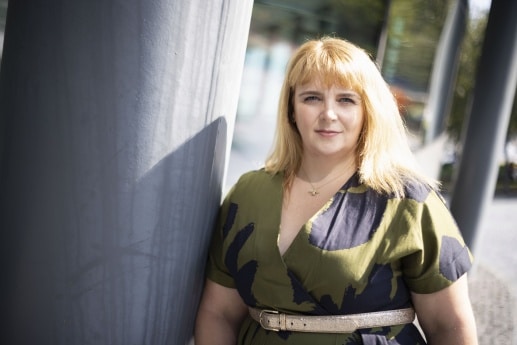
Sharon MacArthur, leading menopause educator and founder of Miss Menopause explores the impact of the menopause on women’s careers.
Today, 18th October, is World Menopause Day so there’s never been a better time to think about how menopause might be affecting your business.
Many people associate the menopause with hot flushes, but they’re just one of many unpleasant symptoms it might bring. Often, it’s the psychological and emotional symptoms that hit the hardest and stop many women carrying on with business as usual. Loss of confidence, anxiety, low self-esteem, depression, brain fog, and memory loss can greatly impact on quality of life, especially for working women.
Imagine being at the top of your game in your career then all of a sudden, you feel less capable, unbelievably fatigued, unmotivated, and lacking in confidence? You can’t remember simple words and you imagine you have early onset dementia. This is the reality for many working women.
Many don’t even associate their symptoms with menopause and are unaware of what’s happening. Even if they do seek help it can often take years to get the right treatment as it’s a real trial and error process. Many women are suffering in silence at all levels in business.
How the menopause affects women at work
It’s estimated around 10% of women are leaving work altogether because their symptoms are so severe. Who can ill afford to lose talent from their business because of ignorance, especially when many are trying to improve their gender pay gap and encourage more women into senior roles?
For the women who do feel able to stay in their jobs, their lack of confidence and belief in their capabilities can mean they don’t put themselves forward for promotions and important projects. They step back. Could menopause be a major factor why we see lack of female representation in the boardroom?
Menopausal women aren’t just statistics
There are a lot of statistics about working women and menopause, but the impact is truly felt in the stories I hear from women who are at the pinnacle of their careers. The effects of menopause are very real.
One woman, a CEO, left her position after 20 years of slogging away to get the top job. She felt she couldn’t perform anymore due to unbearable exhaustion. On her many visits to her GP, menopause was never mentioned once. She told me, “I’m not a stupid woman, how did I not know what this was?!” She decided to leave as she felt a fraud and that she was letting everyone down. No one had a conversation about menopause before she left. Menopause was the reason. She realised this six months later.
Another CEO told me she managed her symptoms by taking HRT, but her doctor told her to stop taking it. Following this, she told me she had ‘the worst year of her life’ and chose to leave her role at the earliest opportunity because she just no longer felt capable. No one had a conversation about menopause before she left.
Just last week, I was talking to someone who had been a HR Director. She was experiencing brain fog, memory loss, and confusion because of menopause. She was terrified of making a mistake. As the only woman in her senior leadership team she felt she would be judged. So she left and took a junior admin job as that’s all she felt capable of. No one had a conversation about menopause before she left.
These are just some of the stories I hear every day. We can’t go on allowing women to be left in the dark and suffer, which is leading to the loss of so much talent in organisations.
So what needs to happen?
Understand that menopause is a business issue and will affect everyone directly and indirectly. It’s costing you money and talent right now. As pensionable ages increase it will become more of an issue, especially coupled with an ageing workforce. Can you afford not to do anything?
We need to change the way menopause is spoken about at work, and make sure it’s taken seriously. It’s not a sign of weakness but something all women will have to encounter.
Those in the senior leadership team should be the first in line for training, ideally with an executive sponsor. They need to act as role models and lead from the front, sharing their own stories and building menopause into the DNA of the business plans.
Training for all so that everyone can understand and help make menopause business as usual. This isn’t just for women of a certain age.
Use the small reasonable adjustments you have in your business and repurpose these for menopause use. Flexible working, working from home, desk assessments are just some of things you might have which you can use. You don’t have to reinvent the wheel. Sometimes the smallest changes can make the biggest difference. How can you start to see the world through a menopause lens? When you stop and think you will find many more simple no cost solutions.