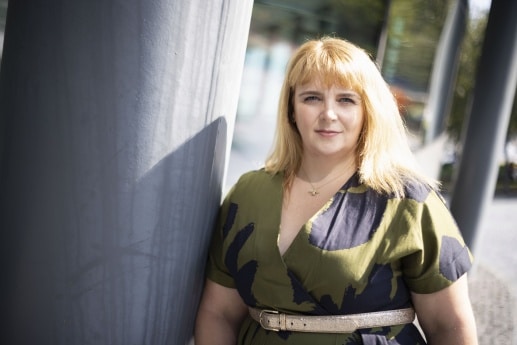
Al Goel, former Head of Global Learning Delivery at Sanofi, Insights facilitator and talent development leader on how to create inclusive learning experiences.
In today’s rapidly evolving business landscape, Learning and Development (L&D) teams are not just drivers of growth and resilience – they’re essential to building inclusive cultures where everyone can thrive. But this Global Inclusion Week, what transforms a training session from a tick-box exercise into a genuinely empowering experience for all?
Last year, Cypher Learning surveyed 4,500 workers across the US, UK, and Mexico to explore how the quality of L&D shapes how people feel about their workplaces. Nearly a third said high-quality training left them feeling ‘truly enlightened and invigorated’. But 68% felt that workplace training is still a one-size-fits-all approach – one that fails to meet their individual needs.
Many of us have sat in sessions, politely listening, but not really engaged, feigning interest as the facilitator reads from generic slides. But this isn’t just an engagement issue; it’s an inclusion issue. According to Deloitte’s 2024 Global Human Capital Trends, 82% of employees say standardised training fails to reflect their unique contexts or learning styles.
When L&D overlooks differences in background, learning preference, or career stage, it unintentionally excludes those who don’t fit the ‘average’ mould, leaving people feeling unseen and unsupported.
So how can we, as facilitators and L&D experts, create those engaging, inclusive ‘lightbulb’ moments that make learning not just effective, but equitable?
Understand who you are and why that matters
Bringing your authentic self to a session and encouraging others to do the same using awareness tools is a powerful way to build inclusive learning environments. It allows learners at all levels, from early talent to senior leaders, to feel seen and understood.
For example during my two decades at Sanofi, I used self-awareness tools like Insights Discovery to help global, multicultural teams connect across difference. Such tools don’t just strengthen soft skills, they help facilitators and HR professionals adapt to their learners’ needs, energy, and expectations.
Understanding the uniqueness of others and how you show up in the room through tools builds psychological safety and sets the stage for mutual respect and belonging. For example I transitioned from a data-heavy finance role to the very different field of talent development, I discovered that while my natural energy is high (Sunshine Yellow), I had been dialing up my analytical side (Cool Blue) just to fit the role. That awareness changed how I facilitated and how I connected with people across all styles and personalities.
Be the guide, not the hero
Inclusive learning experiences aren’t led from the front of the room. They’re co-created. So ditch the ‘sage on the stage’ model and become the guide – the conductor who helps others shine.
Empower your learners to share their perspectives, challenge ideas, and find answers together. Step back and observe. Let the group solve the problem – and support them by creating a safe, welcoming environment where all voices are heard.
That means more than just facilitation. It means listening without judgment, encouraging contribution, and recognising the richness of lived experience that every participant brings to the room.
Lead with empathy and lived experience
Empathy is at the heart of inclusive facilitation. That means saying, “I’ve been in your shoes” and genuinely listening for what’s behind the question being asked.
Individuals possess varied motivations, uncertainties, and requirements, influenced by their backgrounds and experiences. Make space for that.
Invite learners to bring their full selves into the conversation and move beyond abstract theory toward shared stories and practical wisdom. That’s where deep, inclusive learning lives.
Let AI enhance equity, not just efficiency
Artificial intelligence isn’t just a tech trend, it’s a tool that can help democratise learning. When used thoughtfully, AI can tailor content, provide real-time feedback, and meet learners where they are regardless of role, background, or geography.
With 71% of L&D professionals already integrating AI into their workflows, there’s huge potential to use it for good: personalising training, analysing learner needs, and automating admin so facilitators can focus on human connection.
Inclusion means giving everyone equal access to quality learning and AI, used ethically, can be a powerful equaliser.
Know your content. Know your people.
Being inclusive means doing your homework. Yes, know your content – but also know your audience. What do they care about? What challenges do they face? What support do they need?
Avoid the trap of reading from slides. Instead, prepare thoughtfully so you can adapt in real time, with cultural awareness, sensitivity, and genuine interest in who’s in the room.
Getting certified as a practitioner in psychometric tools has also helped me go deeper, to build real rapport with participants and meet them where they are.
Inclusive, engaging learning isn’t about flashy design or being a teacher standing up on stage. It’s about making space for everyone to show up, feel valued, and grow.
When implemented effectively, L&D can facilitate culture transformation by creating environments where growth can occur.