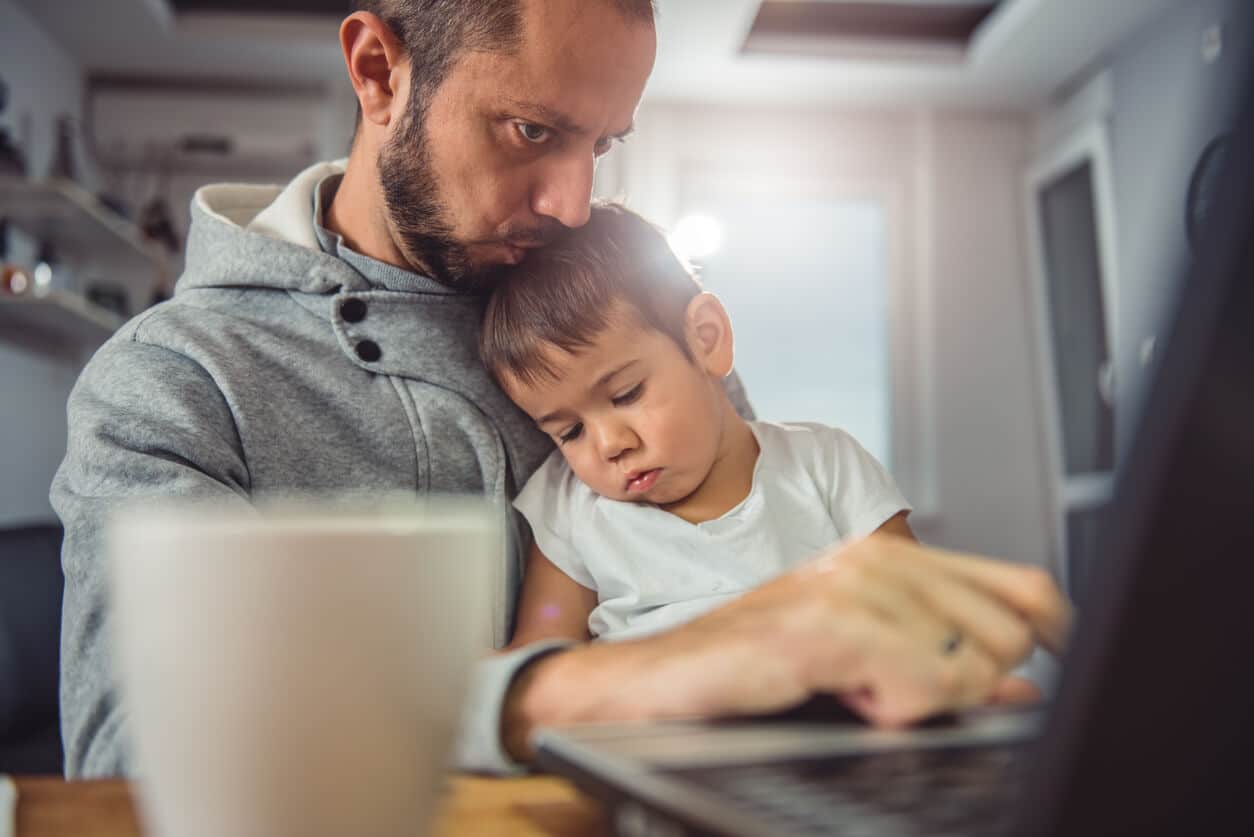
Charlene Young, Chief People Officer at de Novo Solutions, considers the advantages and disadvantages of tech in the workplace.
Around 18 million adults in Great Britain report feeling lonely at least some of the time, according to the Office for National Statistics, and technology is often cited as a factor in reduced communication and engagement over the years. With 14% of people in the UK working fully remotely and an additional 26% working hybrid arrangements, it’s common to go weeks or even months without a face-to-face interaction with a co-worker. Recent research indicates that many remote employees continue to have limited in-person contact with colleagues – a trend that has persisted since the pandemic reshaped working patterns.
While it’s true that the rise of online interactions can contribute to a sense of isolation, technology has also opened up new avenues for connection, enabling friendships and professional relationships across the globe.
Bringing global teams together
Traditional office life encouraged friendships through proximity, but colleagues in separate locations often had little regular interaction. Technology has changed this. Video calls, instant messaging, and voice or video notes now allow people working in different buildings, cities, or even countries to stay connected in ways previously impossible.
A decade ago, the Office for National Statistics reported around 5 million UK employees working for companies with global operations – a number likely to have grown in 2025. Today company updates can be shared simultaneously worldwide, and remote teams can socialise online, from interactive activities like escape rooms or quizzes to virtual team-building exercises.
Video enables voice and visual cues
The onset of the digital age saw colleagues able to email each other in the early 80s, with it becoming a common method of communication throughout the 1990s. Whilst this represented a huge leap forward in convenience – given it’s much easier to ‘email all’ than to individually call each person who needs a specific piece of information – it also gave rise to all of the potential issues caused when you can’t interpret the tone of a message.
Being able to chat synchronously about challenges, opportunities and ideas – as well as reading body language – helps us empathise with one another.”
Many a workplace dispute has started thanks to a misunderstanding over email! But now with 40% of people taking part in at least one video call a week at work, according to Grammarly, there are increased opportunities for us to see and hear our colleagues when they are talking to us. Not only does this enable more sensitive conversations to take place in a way which minimise the chances of tone misinterpretation, it also makes us feel more connected to our colleagues. Research by the Journal of Social Psychology shows a request, for example, is four times more likely to garner positive responses if made face-to-face than via email.
Being able to chat synchronously about challenges, opportunities and ideas – as well as reading body language – helps us empathise with one another. It brings to the fore the fact our colleagues are real people, with emotions and expressions, not simply words on a page. And this is a crucial factor in determining how aligned we may feel with those people.
Inclusion and diversity
Technology has been particularly advantageous in helping level the playing field, so that anyone no matter their accessibility needs, has the same opportunities to join in meetings and social conversations.
Tools such as voice recognition, dictation software, assistive listening devices, and real-time translators give equal opportunities for everyone to take part in meetings and discussions. As more AI tools become available, this will enable even more inclusion, allowing diverse teams to engage seamlessly.
It’s also of course been a major factor in the ease at which companies can now hire employees from around the world, opening up the global job market in a way which encourages diversity in every business – not limited by the geographical barriers that faced hiring managers in previous decades.
Technology hygiene is a must
For all the benefits of technology, there is always a caveat that it must be used responsibly to ensure pitfalls are avoided. A 2024 People Management report found that 70% of UK professionals struggle to switch off from work due to constant accessibility.
Companies must promote a culture that protects personal time and prevents burnout by encouraging employees to fully ‘switch off’ outside working hours. Being permanently on call can promote feelings of overwhelm and even lead to burnout – so businesses should play an active role in encouraging a healthy work/life balance, with senior management leading by example, and a clear policy in place around when it is and isn’t appropriate to contact colleagues out of hours.
The use of potentially impersonal methods of communication for more sensitive conversations – such as performance reviews, constructive feedback or matters relating to staff health and wellbeing – should be avoided, with in-person meetings, or video calls being favoured over email.
Technology can be a powerful enabler of authentic, all-inclusive communication and can therefore be the basis of fantastic workplace harmony. But, as with everything in life, it must be deployed thoughtfully to ensure that it’s used for good. The tools at our disposal open up more possibilities than ever when it comes to effective communication, engagement and team bonding, so let’s embrace these technologies to build stronger relationships, healthier teams, and more connected organisations – all of the workplace advantages associated with the digital age.